
Are Back-to-School Eye Exams Worth It?
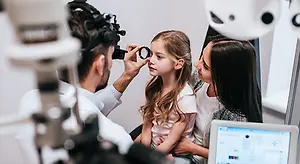
Back-to-school eye exams can help determine whether a child has the visual clarity, focusing ability, eye coordination, and ocular health needed for classroom activities. Because children may not realize that their vision differs from everyone else’s, an undetected concern can follow them into the new school year.
A comprehensive eye exam at EyeQ Vision gives families a more complete understanding of a child’s vision before schedules fill with reading assignments, screen-based lessons, homework, and extracurricular activities.
Why Does Vision Matter in the Classroom?
Students use their vision to read books, view presentations, shift focus between a desk and the board, follow moving objects, and coordinate their eyes and hands. When one of these skills is not working efficiently, schoolwork may feel tiring or uncomfortable.
Signs that a child could benefit from pediatric eye care include:
- Squinting or covering one eye
- Sitting close to screens or the television
- Losing their place while reading
- Avoiding reading or other near work
- Frequent headaches or tired eyes
- Holding books unusually close
- Difficulty seeing the classroom board
- Rubbing or blinking the eyes frequently
- A prescription that changes regularly
These behaviours do not always indicate a vision problem, but they provide a reason to schedule an evaluation with a pediatric eye doctor.
Isn’t a School Vision Screening Enough?
A school vision screening can provide a useful initial check, but it is not the same as a comprehensive eye exam. Screenings often focus primarily on how clearly a student sees at a distance and may not assess eye health, focusing, tracking, eye coordination, or other visual functions in detail.
A vision exam for school allows the optometrist to evaluate how the eyes function together and whether glasses, monitoring, or additional care may be appropriate. At EyeQ Vision, pediatric eye exams are available for children aged six and older.
What Happens During a Pediatric Eye Exam?
The examination is adapted to the child’s age, comfort, and communication level. Depending on the child’s needs, the eye doctor may assess:
- Near and distance visual acuity
- Nearsightedness, farsightedness, and astigmatism
- Focusing and eye-teaming abilities
- Eye movement and tracking
- Depth perception
- Internal and external eye health
- Changes since the previous examination
The practice may also use retinal imaging or other diagnostic technology when clinically appropriate. Parents can ask questions throughout the appointment and receive recommendations based on their child’s prescription, eye health, activities, and school demands.
When Should Parents Ask About Myopia?
Myopia, or nearsightedness, causes distant objects to appear blurry. It often begins during childhood and may progress as the eyes continue to grow. A child who cannot see the board, squints at distant objects, or needs stronger glasses regularly should be evaluated.
Glasses correct blurry vision but do not necessarily slow myopia progression. For eligible children, myopia control for kids may involve specialized options intended to slow progression while providing the required vision correction.
EyeQ Vision offers personalized myopia monitoring as well as MiSight® 1 day contact lenses and Stellest® spectacle lenses. The appropriate approach depends on the child’s age, prescription, eye health, maturity, and rate of progression. Myopia management does not cure or reverse nearsightedness, so ongoing examinations remain important.
How Can Families Support Comfortable Vision at School?
Practical habits can complement professional eye care. Encourage children to take regular distance-viewing breaks during prolonged reading or screen use, work in suitable lighting, maintain a comfortable viewing distance, and spend time outdoors when possible.
Prescription glasses should also fit securely and remain in good condition. If a child reports headaches, intermittent blur, double vision, or ongoing eye discomfort, do not assume the symptoms are simply caused by screens or a demanding schedule.
Is It Too Late Once School Has Started?
No. Although scheduling before the first day can make updating glasses or beginning treatment more convenient, children can benefit from an eye exam at any point in the academic year. An appointment is especially worthwhile when a teacher notices visual difficulty or a child begins struggling with reading, screen use, or seeing the board.
Schedule a back-to-school eye exam with EyeQ Vision in Frisco to help your child begin the semester with vision that supports learning and everyday activities.
Frequently Asked Questions
How Often Should Children Have Eye Exams?
Exam timing depends on the child’s age, eye health, prescription, symptoms, and risk factors. Follow the schedule recommended by the optometrist.
Does 20/20 Vision Mean My Child’s Eyes Are Healthy?
Not necessarily. The 20/20 measurement describes distance clarity, but it does not evaluate every visual skill or aspect of eye health.
Can Myopia Management Eliminate Glasses?
No. Myopia management is intended to slow the progression of nearsightedness. Children still require appropriate vision correction and regular monitoring.