


OptiLIGHT IPL for Dry Eye in Frisco, TX
Dry, burning, watery eyes can have more going on beneath the surface than a simple lack of tears. At EyeQ Vision, our eye doctors use OptiLIGHT IPL to help manage dry eye disease associated with meibomian gland dysfunction (MGD), a common cause of evaporative dry eye.
This IPL treatment uses controlled pulses of light to address inflammation and other factors involved in dry eye syndrome. Lumenis IPL with Optimal Pulse Technology was the first IPL technology to receive FDA authorization for improving signs of dry eye disease due to MGD.
Dry Eye: More Than a Lack of Tears
A healthy tear film needs the right balance of water and oil to protect the ocular surface. The meibomian glands along your eyelids produce that oil. When they become blocked or stop working properly, tears can evaporate too quickly, contributing to meibomian gland dysfunction (MGD) and evaporative dry eye.
For people suffering from dry eyes, artificial tears and warm compresses may provide temporary comfort. But when symptoms keep returning, our eye doctors can look more closely at what is contributing to the problem and recommend appropriate dry eye treatments.

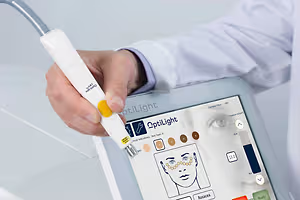
OptiLIGHT uses intense pulsed light (IPL) therapy applied to the skin below and around the eyes while the eyes are fully protected. Its technology is specifically designed to deliver controlled light energy and address several factors linked to MGD-related dry eye. Treatment may help:
- Reduce inflammation. OptiLIGHT reduces inflammation associated with MGD-related dry eye.
- Support meibomian gland function. Treatment can help the glands produce the oils needed for a more stable tear film.
- Improve tear stability. A healthier oil layer may help slow tear evaporation and support the ocular surface.
- Target abnormal blood vessels. IPL can address small abnormal blood vessels around the treatment area that may contribute to inflammation.
- Reduce Demodex mites. IPL may reduce Demodex mites, which can contribute to irritation and inflammation around the eyelids.
For some patients, OptiLIGHT can be an effective treatment as part of a broader plan for managing dry eyes. It is used alongside other care rather than as a stand-alone cure.
What to Expect During OptiLIGHT IPL Treatment
OptiLIGHT is an in-office treatment that can fit easily around work and other daily activities. Our eye doctors will first assess your dry eye and determine whether IPL treatment is appropriate for you.
During a typical OptiLIGHT treatment:
- Your eyes are fully covered with protective eyewear.
- Controlled pulses of light are applied to the skin below and around your eyes.
- Each session takes about 15 minutes.
- A typical treatment course includes four sessions.
- Temporary redness can occur as a side effect and usually fades within a few hours.
- Most patients can return to their regular daily activities based on our eye doctor’s recommendations.
OptiLIGHT may be combined with other dry eye treatments, including artificial tears, warm compresses, and meibomian gland expression, depending on your needs.

Could OptiLIGHT Be Right for Your Dry Eye?
If dry eye symptoms keep returning despite basic care, OptiLIGHT may help when meibomian gland dysfunction (MGD) and inflammation are involved. IPL is not right for everyone. Our eye doctor will review your eye health, medical history, medications, and other factors to decide whether OptiLIGHT is appropriate for you.
OptiLIGHT IPL FAQs
A typical OptiLIGHT treatment course includes four in-office sessions. Our eye doctors will recommend a schedule based on your dry eye findings and response to treatment.
Each session takes about 15 minutes. Most patients can return to their normal daily activities afterward, based on our eye doctor’s recommendations.
Not necessarily. OptiLIGHT is designed to complement other dry eye treatments. Our eye doctors may recommend artificial tears, warm compresses, meibomian gland expression, or other approaches as part of your plan.
No. OptiLIGHT is intended for certain patients with MGD-related dry eye. Age, skin type, medical history, medications, recent procedures, and other factors can affect whether treatment is appropriate. Our eye doctors will review these factors before recommending IPL.

Find a More Targeted Approach to Dry Eye in Frisco
Managing dry eyes starts with understanding what is contributing to your symptoms. At EyeQ Vision, our eye doctor can evaluate your tear film, meibomian glands, and ocular surface to determine whether OptiLIGHT should be part of your dry eye treatment plan.
Schedule a dry eye evaluation to see if OptiLIGHT is right for you.